Graphene Oxide Membranes Could Reduce Paper Industry Energy Costs
Georgia Tech has found a method to engineer energy-efficient filtration membranes to recycle pulping wastewater.
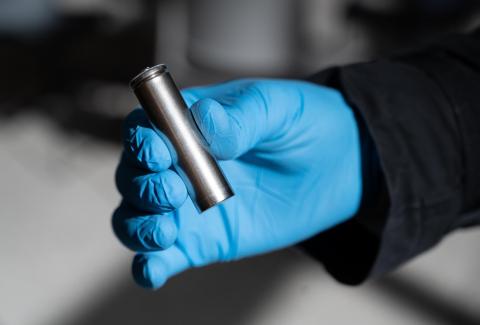
Finding Key to Low-cost, Fast Production of Solid-state Batteries for EVs
New technique could allow EV industry to make Li-ion batteries more safely with 100% solid-state nonflammable ceramic rather than liquid electrolytes.
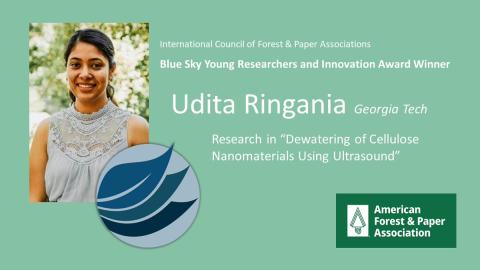
RBI Student Internationally Recognized for Innovative Forest-based Industry Research
Udita Ringania, a Ph.D. candidate, won the 2021 Blue Sky Young Researchers and Innovation Award.
$12 Million NSF Grant Will Establish Nationwide Atmospheric Measurement Network
A multi-state network will measure aerosols to gain a better understanding of climate and public health.
In Fairbanks, Alaska, Researchers Unravel Frigid Air Pollution
<p>Ice fog over Fairbanks as seen from the University of Alaska Fairbanks. (Debbie Dean)</p>
New research shows that an effort to improve wintertime air quality in Fairbanks, Alaska may not be as effective as intended.
Georgia Tech to Lead NASA Center on Lunar Research and Exploration
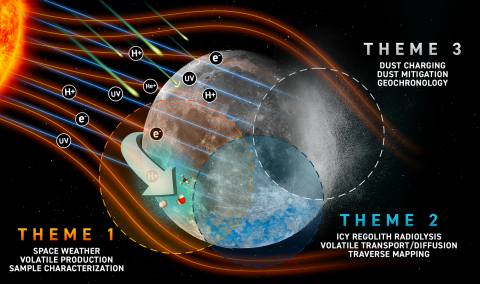
<p>Research themes defining NASA’s CLEVER Center which will be led by professor Thomas Orlando. </p>
The center's research about the nature of lunar dust and volatiles will support upcoming human-crewed missions to the moon.
Georgia Tech Researcher Leads $6 Million NASA Astrobiology Study
<p>Frank Rosenzweig, professor in the School of Biological Sciences</p>
NASA awarded $6 million to a research team led by Georgia Tech’s Frank Rosenzweig to study how compartmentalization drives evolution.
LA Fires Trigger Temporary Spike in Airborne Lead Levels
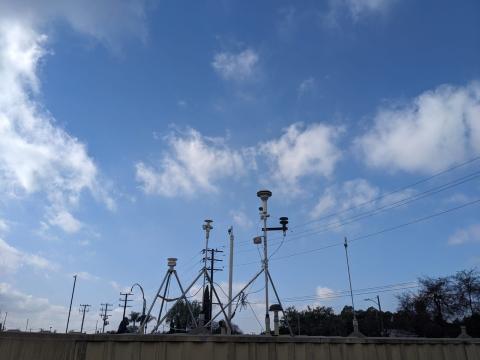
<p>The Atmospheric Science and Chemistry mEasurement NeTwork (ASCENT) site collects real-time data during the Los Angeles wildfires. Courtesy: Haroula Baliaka</p>
The fires enabled the first real-time data on airborne lead, thanks to a pioneering air quality measurement network.
How Earth's Early Cycles Shaped the Chemistry of Life
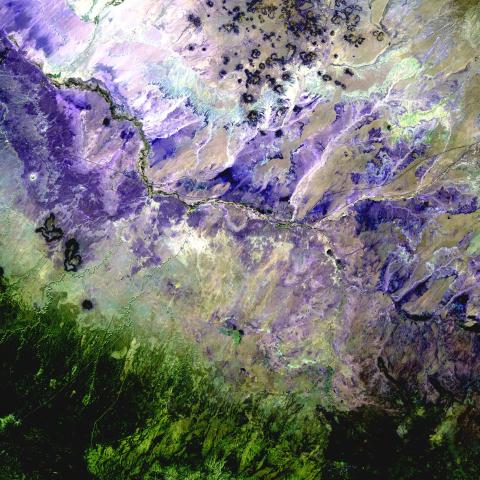
<p>In the Painted Desert of Northern Arizona (shown here in a palette of purples), wet-dry cycling has contributed to the formation of the colorful layers visible in the landscape. (Credit: USGS)</p>
A new study explores how complex chemical mixtures change under shifting environmental conditions, shedding light on the prebiotic processes that may have led to life on Earth.